
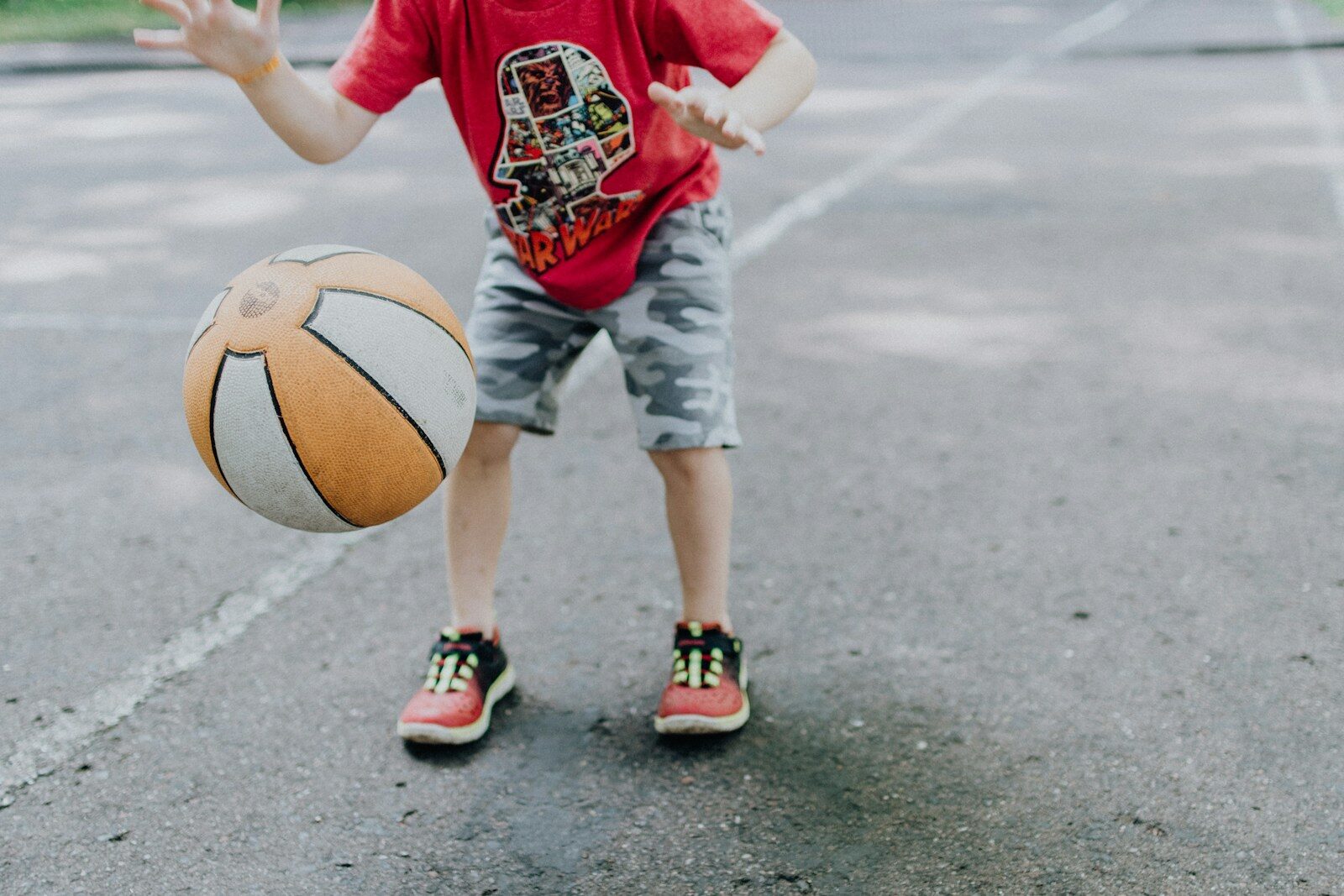
More than half of children in Wales are failing to meet recommended physical activity levels, according to a major new survey, prompting Sport Wales to call for sport to become a central part of the next Welsh Government’s vision for creating a healthier, happier and more prosperous nation.
The Sport Wales 2026 School Sport Survey reveals that 66% of children at risk of being insufficiently active do not regularly participate in club sport. The findings have raised concerns about the potential long-term consequences for children’s physical and mental health, social development and future wellbeing, particularly given the increased likelihood of inactivity continuing into adulthood.
Conducted earlier this year, the survey represents the largest-ever collection of children’s views on sport and physical activity in Wales. It gathered pupils’ experiences of taking part in sport, the activities they would like to try, their understanding of the relationship between physical activity and a healthy lifestyle, and what could encourage them to become more active.
Despite the concerning findings, there is also considerable appetite among young people to get involved. More than 256,000 children said they would like to participate in more sports or try new activities.
Sport Wales is now calling for urgent and far-reaching action to address barriers to participation and ensure more young people can access sporting opportunities. It wants the next Welsh Government to place sport at the centre of its plans for the country’s future.
Sport Wales Chair, Baroness Tanni Grey-Thompson, said physical activity had the potential to deliver benefits far beyond improving fitness, including healthier lives, stronger communities and a more prosperous economy.
She described the formation of a new Welsh Government as a “once-in-a-generation opportunity” to transform how sport is delivered and ensure every child has the chance to lead an active life.
Baroness Grey-Thompson stressed that the views of young people must inform future decisions, warning that physical activity should no longer be treated as an optional extra.
The survey also highlights persistent inequalities in participation, with factors including location, household income, disability, gender, race and access to affordable and welcoming facilities continuing to influence whether children can take part.
Sport Wales Chief Executive Brian Davies acknowledged that, despite a slight increase in the number of children regularly participating in club sport and physical activity, overall participation levels have remained largely unchanged for more than 15 years.
He said the sport sector had strong foundations, including committed people, established partnerships and significant expertise, but could not tackle the issue alone.
Mr Davies called for greater collaboration between sport, schools, health services, communities, transport providers, local organisations and government. He also highlighted the need to make sporting opportunities more accessible, affordable and available through a wider range of providers.
One example of this collaborative approach is a new initiative between Sport Wales and Public Health Wales, which aims to make physical activity a more integrated part of children’s everyday school experience.
Piloted in schools across Wales over the past year, the initiative has already received encouraging feedback, with early indications of improved pupil engagement and wellbeing, alongside a more positive school environment.
By incorporating movement throughout the school day, the approach aims to deliver benefits beyond physical fitness, helping children feel more prepared to learn, build relationships and engage fully with school life.
Mr Davies said the findings strengthened the case for making physical activity part of the entire school day, rather than limiting it to traditional PE lessons.
The initiative also looks beyond the classroom, considering opportunities such as active journeys to school, movement during lessons, after-school activities, links with local sports clubs and activities that families can enjoy together.
Sport Wales hopes the growing recognition of sport’s wider contribution to Welsh society will help secure a long-term funding commitment, enabling the organisation to work with every school in Wales and give more children the opportunity to enjoy an active lifestyle.