
The Component Beneath You That You Never Think About
Most drivers spend their motoring lives largely unaware of what is happening beneath the rear of their vehicle. The engine gets attention. The tyres get checked. The brakes receive regular scrutiny. But the rear shock absorbers, the components responsible for keeping the rear wheels in consistent contact with the road and preventing the body of the car from bouncing, rolling and pitching uncontrollably, tend to receive attention only when they fail visibly or when an MOT tester highlights them as a concern.
This neglect has consequences. Worn rear shock absorbers affect far more than ride comfort. They increase stopping distances, cause uneven tyre wear, reduce the car’s stability under cornering loads, and place additional stress on other suspension components that must compensate for the absorbers’ reduced effectiveness. For UK drivers navigating roads with increasing pothole frequency and variable surfaces, the condition of rear shock absorbers is a practical safety matter, not simply a comfort preference.
Understanding what replacement costs, what the warning signs look like, and how to approach the job with confidence gives any driver the foundation to make informed decisions rather than reactive, pressured ones.
How Rear Shock Absorbers Work
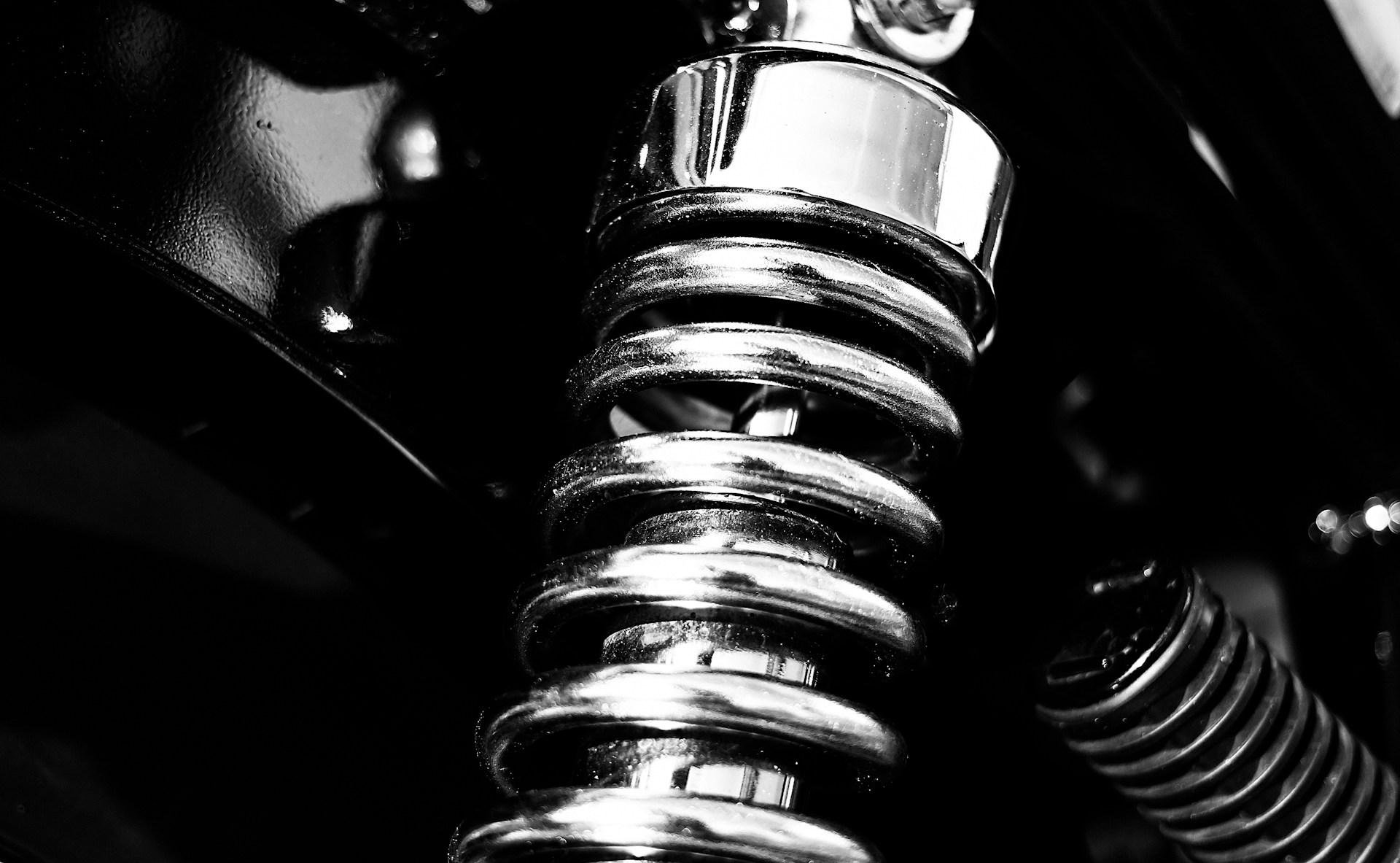
A shock absorber is a hydraulic damping device. Its job is to control the movement of the suspension spring, preventing the wheel from bouncing freely after encountering a bump and keeping the tyre pressed against the road surface throughout the wheel’s travel.
Without a functioning shock absorber, a compressed spring releases its energy by bouncing, and the wheel loses contact with the road between each oscillation. This is not a theoretical concern. It directly reduces the grip available for braking and cornering, increases stopping distances, and in severe cases creates handling that feels vague, unpredictable or unstable at higher speeds.
The rear shock absorbers on most passenger cars are either conventional twin-tube units or monotube designs, with the former being more common on mainstream vehicles. In many modern vehicles, the shock absorber is combined with the coil spring in a single assembly called a coilover or strut unit, which affects how replacement is carried out and priced. On other configurations, the shock absorber and spring are separate components, allowing either to be replaced independently.
Over time and mileage, the hydraulic fluid inside the damper degrades, seals wear, and the internal valving loses its ability to control suspension movement effectively. This deterioration is gradual, which is part of why drivers often adapt unconsciously to worsening ride and handling without recognising the fault as it develops.
Warning Signs That Rear Shock Absorbers Need Attention
Because rear shock absorber deterioration is progressive rather than sudden, the symptoms accumulate slowly and are easy to normalise. Knowing what to look for, and taking those signs seriously rather than attributing them to road quality or tyre condition, is the most reliable early warning system available to a driver.
A bouncing or wallowing sensation after driving over a speed bump, pothole or uneven road surface is the clearest symptom. A vehicle with healthy shock absorbers settles almost immediately after a disturbance. One with worn rear dampers continues to bounce for several cycles before settling, which produces a floating or unsettled feeling in the rear of the car.
Body roll in corners, where the rear of the vehicle leans more than expected when changing direction, indicates reduced damping. The rear suspension is less controlled and responds more slowly to directional changes. This affects both the driving feel and the actual cornering stability of the vehicle.
Uneven tyre wear on the rear tyres, particularly a scalloped or cupped pattern across the tread, is a reliable physical indicator. When a shock absorber no longer keeps the tyre in consistent contact with the road, the tyre bounces against the surface in a pattern that creates this characteristic wear. As our recent piece on vehicle checks that help UK drivers avoid unnecessary fuel costs highlighted, suspension faults including worn shock absorbers are among the most common contributors to tyre wear irregularities and reduced fuel efficiency, both of which carry a cost that compounds over time if the underlying problem is left unaddressed.
Visible oil leakage from the shock absorber body is a definitive physical sign of failure. A leaking damper has lost hydraulic fluid through a failed seal, and its ability to control suspension movement is compromised proportionally to the volume of fluid lost. Once leaking, a shock absorber will not self-repair and should be replaced promptly.
The UK Government’s guidance on vehicle roadworthiness makes clear that suspension components including shock absorbers are assessed during MOT testing for excessive wear, leakage and ineffective damping. A vehicle presenting with failed rear shock absorbers at an MOT test will receive a failure on those items, and details of common defects recorded nationally are maintained at gov.uk/vehicle-recalls-and-faults.
What Rear Shock Absorber Replacement Costs in the UK
The total cost of rear shock absorber replacement in the UK depends on the vehicle type, whether the shock absorbers are separate units or part of a combined strut assembly, the quality of replacement units chosen, and the workshop carrying out the work. Understanding the realistic cost ranges before speaking to a garage removes the information gap that can lead to accepting an inflated quote.
For mainstream passenger cars including popular hatchbacks, saloons and small SUVs from volume manufacturers such as Ford, Vauxhall, Volkswagen, Renault and Toyota, replacing both rear shock absorbers typically costs between £150 and £350 in total for conventional separate shock absorber configurations. Parts for these vehicles are widely available and competitively priced, and the labour time is generally modest.
Vehicles fitted with rear coilover or strut assemblies involve a higher parts cost because the spring and damper are replaced together. Total costs for this configuration typically range from £250 to £500 on mainstream models, again for both rear units.
Premium vehicles including those from BMW, Mercedes-Benz, Audi and Land Rover sit in a higher cost bracket for both parts and labour. Rear shock absorber replacement on premium models commonly ranges from £350 to £700 or more depending on the specific model, suspension configuration, and whether the vehicle uses adaptive or electronically controlled damping systems. These more sophisticated setups involve additional complexity and cost.
Labour typically accounts for between 30 and 50 percent of the total invoice. The rear shock absorbers are generally more accessible than front units on most vehicles, and replacement is a straightforward job for an experienced mechanic. Getting two or three quotes from independent specialists, rather than defaulting to a main dealer, consistently delivers savings without compromising quality on this type of repair.
Replace One or Both?
When one rear shock absorber fails, the question of whether to replace only the failed unit or both rear units together is worth addressing directly. The standard advice from experienced mechanics and motoring organisations is to replace in axle pairs.
The reasoning is mechanical. If both rear shock absorbers have covered the same mileage and operating conditions, a unit that has not yet failed is likely approaching the end of its service life. Replacing only one creates an imbalance between the left and right rear, where one side damps more effectively than the other. This imbalance can cause the vehicle to behave asymmetrically during braking and cornering, which is both uncomfortable and a potential handling concern.
The practical economy also favours paired replacement. The labour cost of removing and refitting both rear units is only marginally greater than for a single unit, since the workshop is already working in the same area of the vehicle. Returning six months later for the second unit means paying full labour costs again for a job that could have been completed during the first visit.
Sourcing Parts: Quality Matters
The rear shock absorber market is served by both OEM-specification parts and a range of aftermarket alternatives of varying quality. Established aftermarket manufacturers including Monroe, Bilstein, KYB, Sachs and Monroe produce units that meet or exceed original specifications at prices below OEM supply, and these represent a sound choice for most mainstream vehicle applications.
The caution applies to unbranded or very low-cost units from unknown suppliers, where quality assurance is unclear and durability is unpredictable. A cheap shock absorber that fails prematurely means paying for the same job twice, which eliminates any saving achieved on the initial purchase. Checking that the replacement unit comes with a meaningful warranty from a reputable manufacturer is a straightforward way to protect against this outcome.
For drivers researching replacement options before speaking to a garage, checking the rear shock absorber replacement cost across specialist automotive parts suppliers gives a clear picture of what quality units cost at retail, which provides a useful baseline when evaluating any workshop quote that includes parts.
Timing the Replacement Around Your Driving Plans
For drivers with road trips, longer journeys or summer travel plans ahead, rear suspension condition is a practical consideration that extends beyond cost. A vehicle with marginal shock absorbers that handles adequately on familiar local roads may behave less predictably on unfamiliar routes, motorways at sustained speed, or roads with variable surfaces.
Checking suspension condition before committing to longer journeys is a straightforward precaution that sits naturally alongside the tyre, oil and coolant checks that most drivers already carry out. As we noted in our piece covering the vehicle checks that matter before UK seaside road trips this summer, expert advice consistently identifies suspension and tyre condition as among the most important factors for safe summer driving on the kinds of varied roads that characterise longer UK journeys.
Addressing a known shock absorber fault before a long journey is both safer and considerably less expensive than managing a failure away from home.
A Straightforward Repair That Rewards Attention
Rear shock absorber replacement is not a complex or exotic repair. On most mainstream vehicles, it is a well-understood job with transparent costs and a clear outcome. The challenge for most drivers is not the repair itself but the gap in awareness that allows worn absorbers to deteriorate well past their optimal condition before attention is paid.
The drivers who spend a few minutes understanding what their rear suspension should feel like, recognising when that feel changes, and acting on those changes promptly consistently face lower repair bills and safer vehicles than those who defer until an MOT failure or a noticeable handling incident forces the issue.