
Choosing the wrong clinic for laser eye surgery could have serious long-term consequences, a leading expert has warned – with many patients focusing on convenience or recommendations rather than doing proper research.
With more than 100,000 procedures carried out each year in the UK, demand for laser eye surgery continues to grow, as more people look to correct their vision quickly and avoid long NHS waiting times.
Independent research commissioned by OCL Vision found that more than a third (34%) of people who had considered having laser eye surgery had been mulling over the decision for more than six years.
Meanwhile, of those quizzed – 1,000 25 to 45-year-olds living in the South East of England – 81% said they were aware of laser eye surgery and nearly half (40%) had thought about having a procedure but hadn’t gone ahead yet.
But experts say patients need to be more careful than ever about where they go.
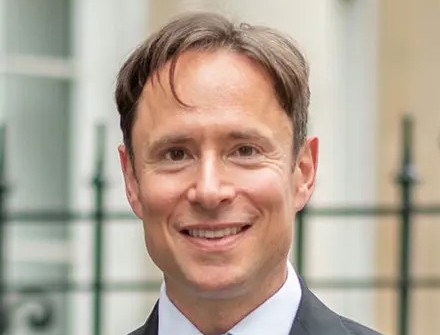
Mr Allon Barsam, director and co-founder of OCL Vision, said one of the biggest mistakes people make is choosing a clinic based on a single recommendation or location.
“I wouldn’t rely on one recommendation from one friend,” he said, explaining that outcomes vary and decisions should be based on broader research rather than individual experiences.
He warned that patients should avoid making emotional decisions and instead take a more methodical approach when choosing both a clinic and a surgeon.
Why choosing the right surgeon matters
Dr Barsam said one of the most important factors is understanding who will actually perform the surgery and how experienced they are.
He said: “You should be asking how many operations your surgeon has performed – whether that’s 10 or 1,000. That kind of transparency is important when you are making a decision that could affect your vision long term.”
He also advised patients to ensure they meet their surgeon before committing to treatment, rather than only speaking to consultants or sales staff.
“If you don’t get to meet the surgeon before the procedure, that should be a warning sign,” he said, adding that trust and communication are key parts of the process.
The red flag many patients miss
Dr Barsam said not everyone is suitable for laser eye surgery and clinics should be willing to turn some patients away.
“We will tell about one in 10 people that the procedure is not right for them,” he said. “Some clinics may say they can treat everyone, but that is not necessarily something to be reassured by.”
He explained that factors such as dry eyes or irregular corneas can increase the risk of complications, making thorough screening essential.
How AI is changing decisions
Dr Barsam said more patients are now using AI to research procedures and compare clinics before booking consultations.
“Tools like ChatGPT can be very helpful for summarising and comparing information,” he said. “They don’t necessarily give you the final answer, but they can help patients ask better questions.”
Don’t just choose the nearest clinic
Location is another common mistake, with many patients opting for the closest provider rather than the most suitable one.
Dr Barsam said: “The clinic that’s nearest to you isn’t necessarily the best. If you’re investing in a procedure that could last a lifetime, it’s worth doing everything you can to get the best outcome.”
He said taking time to research, ask questions and consider different options can significantly reduce the risk of problems.
“This is not a decision to rush,” he said. “Doing your homework properly can make all the difference.”