
The trading card industry is booming again, but with that growth has come a familiar problem: collectors are often left guessing. How many cards were really printed? How limited is a “limited” release? Are chase cards truly scarce, or are they just being marketed that way? In a hobby built on trust, rarity and long-term collector value, those questions matter more than ever.
As more brands, products and specialty releases enter the market, collectors are becoming more selective. They are looking beyond hype and asking better questions about transparency, print runs, card quality, artwork, odds and whether a product actually brings something new to the hobby. In a space where many releases can start to feel similar, the brands that stand out are the ones willing to show their work, respect the collector and create cards that feel intentional from the moment a pack is opened.
That is where Based Trading Cards has started to separate itself. Founded by Northern California entrepreneur Alladan Flinn, the premium collectibles brand was built around the idea that collectors deserve to know what they are buying, what they are chasing and how limited each release truly is. Rather than relying on vague print runs or confusing chase structures, Based Trading Cards has made transparency part of the product itself, including serialized hobby boxes, clear production numbers and limited releases designed to give collectors confidence in the scarcity of what they are holding.
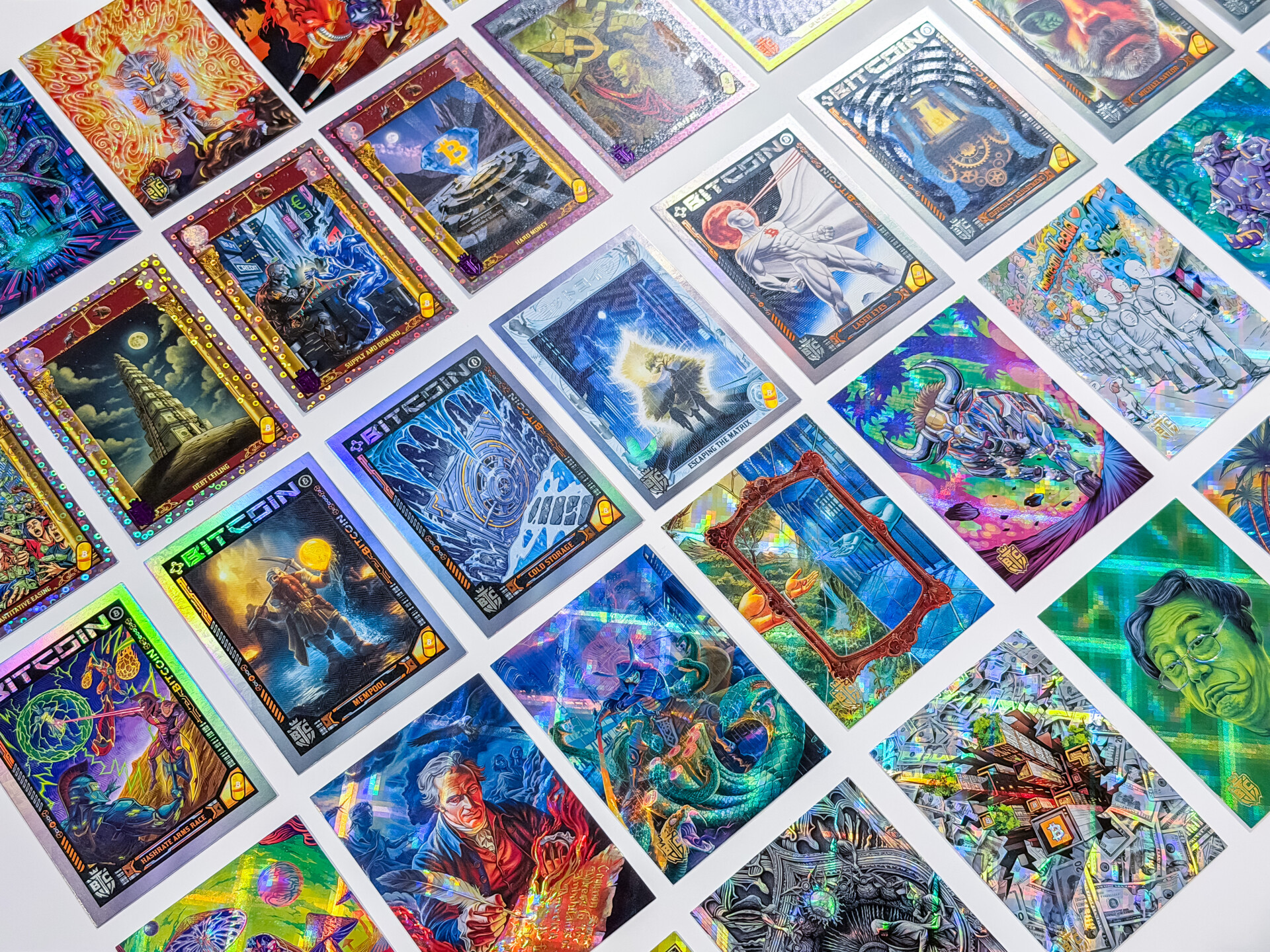
Its latest collection, Orange Pill in a Pack Series 4: The Simulation, is limited to only 875 serialized and number-stamped hobby boxes. That level of clarity gives collectors something the industry does not always provide: a real understanding of supply. In a market where scarcity can drive interest, value and secondary market demand, knowing what exists is not just a detail. It is part of the collector experience.
The same philosophy applies to rare pulls. Collectors want the thrill of the chase, but they also want that chase to feel fair, exciting and meaningful. Based Trading Cards has earned attention for creating strong rare-pull opportunities through limited chase cards, numbered parallels, specialty variants, high-value inserts and product structures built to make each rip feel like it matters. The result is a release model that combines transparency with the excitement that made trading cards fun in the first place.
Quality is another area where the industry is being pushed to evolve. In a crowded market, card brands can no longer rely on name recognition, licensed subjects or standard foil treatments alone. Collectors want cards that feel different in hand, tell a story visually and justify their place in a collection. Based Trading Cards has leaned heavily into that idea through real artists, premium card stock, specialty finishes, raised textures, glow-in-the-dark elements, thermal and light-reactive inks, Cast & Cure holographic effects, hot foil stamping and anti-counterfeiting features.
Produced with one of the world’s leading printing and packaging companies, The Simulation reflects how far card production can go when quality is treated as part of the concept instead of an afterthought. That commitment was recently recognized at the 33rd Annual Gold Leaf Awards Competition during the FSEA Print Embellishment Conference in Nashville, where Flinn and Based Trading Cards received a Gold Leaf Award for Excellence in Foil Stamping & Embossing. The award honored the brand’s Cast & Cure specialty print work on The Simulation, including standout cards #93 “Octopus” and #27 “Common Sense.”
That idea feels especially important at a time when the trading card world is crowded with releases competing for attention. Collectors are not just buying cardboard. They are buying art, scarcity, story, community and the possibility that what they open today will still matter years from now. Transparency helps protect that belief. Quality helps justify it. Originality helps keep the hobby from becoming predictable.
Based Trading Cards is still a young brand compared to legacy companies, but its momentum shows that collectors are paying attention to companies that do things differently. From eBay activity and collector livestreams to private sales and growing secondary market interest, the brand has become a case study in how an independent trading card company can build excitement without abandoning transparency or collector trust.
As the industry continues to grow, the next phase of the hobby may not be defined only by bigger names or larger print runs. It may be defined by brands willing to be more honest, more creative and more intentional. Collectors are smart. They know when scarcity feels manufactured, when quality feels rushed and when a product is simply following the same formula as everything else.
The future of trading cards belongs to companies that can make the chase exciting while still giving collectors real confidence in what they are chasing. For Based Trading Cards, that means transparent production, premium execution, strong rare-pull structures, real artistry and a belief that limited cards should actually mean something.
For more information, visit https://basedtradingcards.com.