
Accidents and medical emergencies are unpredictable. Whether it’s a sudden choking incident at the dinner table or a minor burn in the workplace, knowing how to react in those first crucial minutes can save a life. An emergency first aid training course equips you with the practical skills, knowledge, and confidence needed to handle these high-pressure situations. If you are considering enrolling, here is a breakdown of exactly what you will learn. Boss Training provides emergency first aid training, which is valid for up to 3 years.
The Foundation: Overview, Procedures, and Kits
Before diving into hands-on life-saving techniques, a great first aid course establishes a strong foundational understanding of your role as a first responder. This begins with a comprehensive overview of first aid, where you learn the core principles of preserving life, preventing a condition from worsening, and promoting recovery. This initial training teaches you how to assess a scene quickly and safely before stepping in to help.
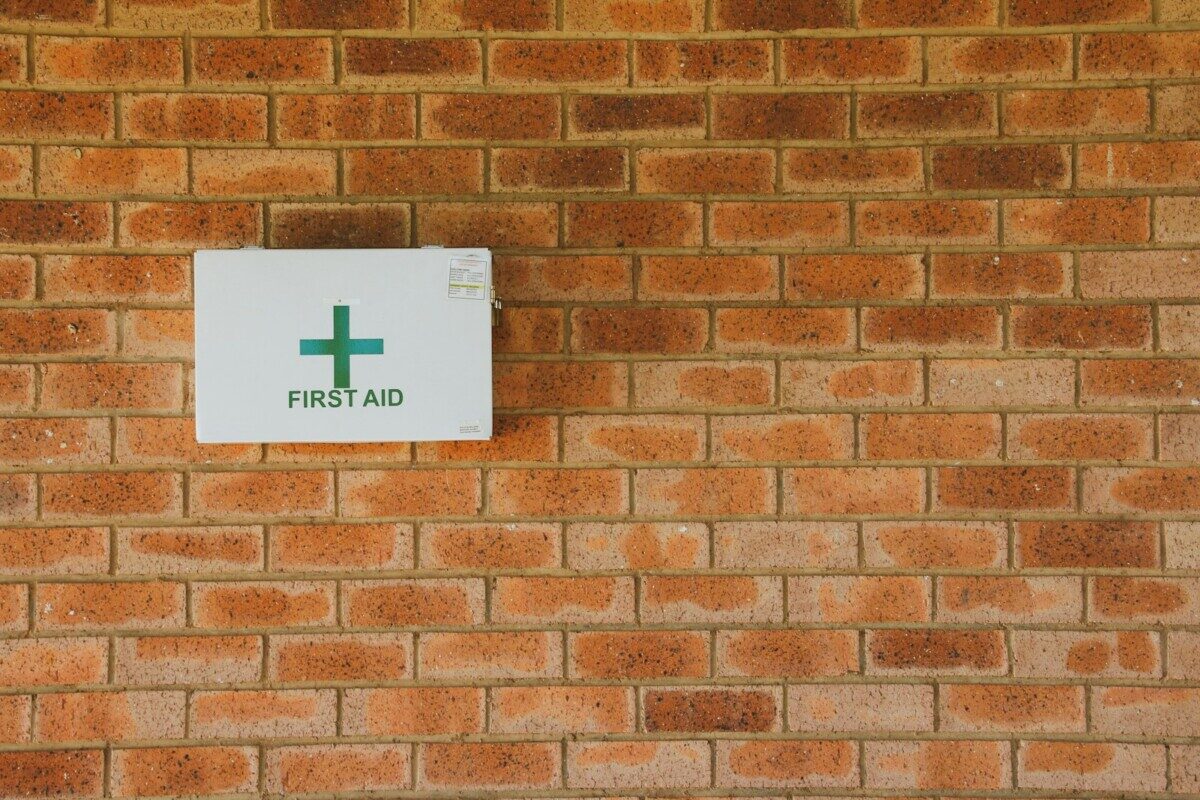
Beyond physical intervention, first aid also involves administration and communication. You will learn the correct procedures for documenting incidents and reporting injuries according to official regulations. This ensures you can seamlessly hand over vital information to paramedics when they arrive. Additionally, you will cover the management of first aid equipment, learning how to maintain and stock first aid boxes so that essential items are never expired or missing during a crisis.
Life-Saving Interventions: CPR and Unconsciousness
The core of any emergency first aid course focuses on the most critical, life-threatening scenarios, specifically cardiac arrest and unresponsiveness. You will receive extensive training on cardiopulmonary resuscitation (CPR) for both adults and children. This covers the precise techniques for chest compressions and rescue breaths, teaching you how to adapt your physical depth and rhythm depending on the age and size of the casualty.
You will also learn how to confidently deal with an unconscious person. Finding someone unresponsive can be terrifying, but this training teaches you how to check for breathing and open the airway safely. If the unconscious person is breathing normally, you will practice how to place them into the recovery position. This specific posture keeps their airway clear and prevents them from choking while you wait for emergency services.
Managing Common Illnesses and Injuries
Not every emergency requires CPR, but many still demand immediate, skilled intervention to prevent long-term harm. A major portion of your training focuses on how to deal with a wide spectrum of specific medical emergencies and physical injuries that frequently occur at home or work.
For physical trauma, you will learn how to treat wounds and severe bleeding by applying pressure and dressing the injury. This includes managing shock, which is a life-threatening drop in blood flow that often follows severe injury. You will also learn how to handle fractures by immobilising broken bones and how to treat burns and scalds using proper cooling methods to stop tissue damage.
For medical conditions, the course covers how to respond to acute episodes like asthma attacks and epileptic seizures, ensuring the person remains safe from injury while the episode passes. You will also learn the signs of choking and how to deliver back blows and abdominal thrusts. Finally, the training prepares you to handle sudden illness at work, giving you the skills to manage conditions like heart attacks or strokes until professional medical help arrives.