
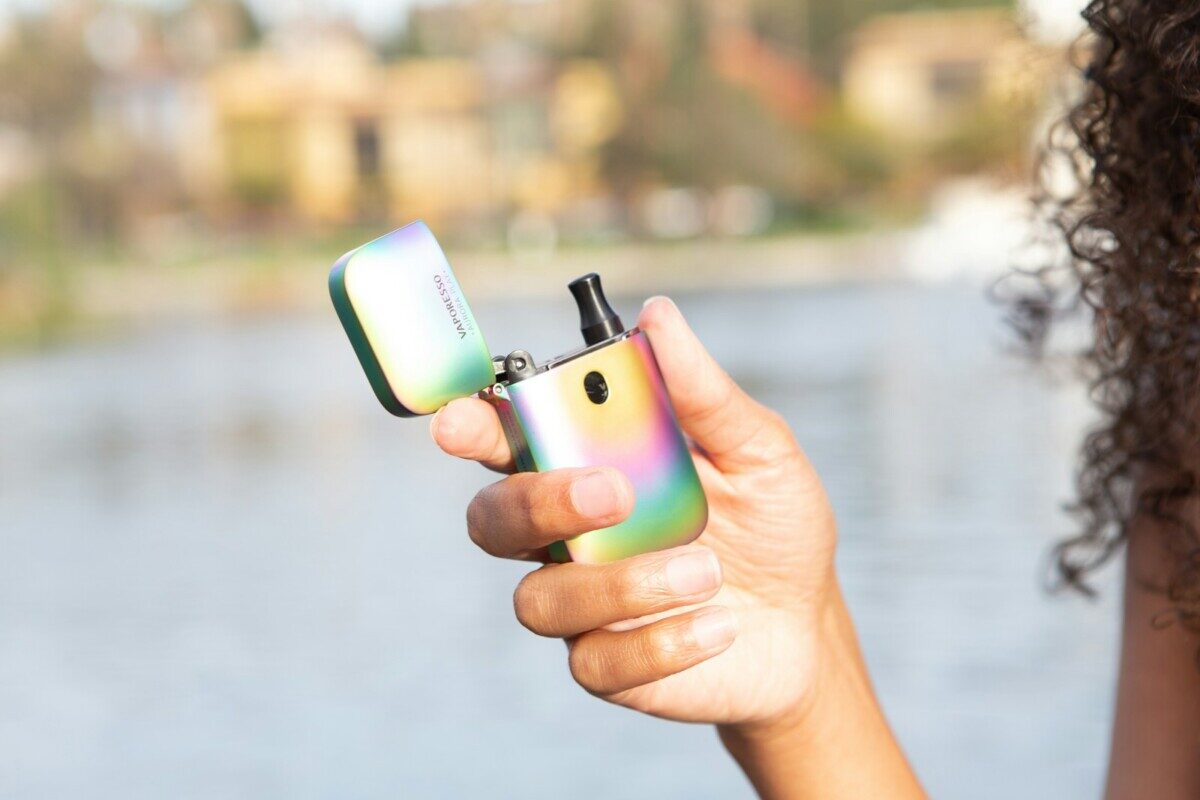
Singapore’s tough new Tobacco and Vaporisers Control Act took effect on May 1, 2026, more than quintupling fines for vape users. Over 2,500 people have already been caught vaping in Singapore in the first three months of this year alone, and British travellers could be hit even if they are just passing through Changi Airport.
British holidaymakers heading to Singapore this summer have been warned to leave their vapes at home after a sweeping new law brought in fines five times higher than before — with the rules applying even to passengers passing through Changi Airport in transit.
Singapore’s new Tobacco and Vaporisers Control Act (TVCA) came into force less than two weeks ago, on May 1, 2026. The legislation replaces the previous Tobacco (Control of Advertisements and Sale) Act and dramatically increases penalties for vape users, sellers and importers.
Under the new rules, anyone caught possessing or using a vape now faces fines of up to S$10,000 — around £5,750 at current rates. That is a fivefold rise on the previous S$2,000 maximum.
Sellers face fines of up to S$200,000 (around £115,000) and up to six years in prison. Anyone caught importing vapes into Singapore now faces a mandatory jail term of up to nine years.
Over 2,500 caught in three months
The crackdown is being enforced aggressively. Singapore’s Ministry of Health confirmed in May 2026 that more than 2,500 people were caught vaping in the country between January 1 and March 31, 2026 alone. Singapore’s Health Sciences Authority also fined 10 people for posting vaping-related photos and videos of themselves on social media in the same three-month period.
The Singaporean government has installed amnesty bins at Changi Airport where travellers can dispose of vape products on arrival to avoid prosecution — but no leniency is offered for those caught with devices after passing through customs.
‘Zombie drug’ KPod crackdown
The toughest new penalties target so-called “KPods” — vapes laced with the powerful anaesthetic etomidate. Adults caught supplying KPods to young people can now face up to 20 years in prison and 15 strokes of the cane.
The new law follows a sharp rise in KPod use. In an interview in July 2025, Singapore’s Health Minister Ong Ye Kung revealed that around one in three vapes seized in recent enforcement operations contained etomidate, and confirmed there have been several deaths linked to its abuse. Etomidate was subsequently reclassified as a Class C drug under Singapore’s Misuse of Drugs Act on September 1, 2025.
In August 2025, a Singaporean man was sentenced to 16 months in prison for producing etomidate-laced vape pods.
Caught even in transit
The new rules also apply to passengers passing through Changi Airport — including those who never officially enter the country. Singapore’s Immigration and Checkpoints Authority (ICA) has reportedly detected more than 1,200 vape devices at Changi Airport over the past year, with CT scanners now used in both carry-on and checked luggage searches.
Foreign nationals caught vaping in Singapore can have their work or residency permits revoked, be deported, and banned from re-entering the country. Several foreign embassies, including those of Kuwait and Brunei, have issued public warnings to their citizens travelling to Singapore.
‘Leave your vape at home’
Vaping experts at UK-regulated retailer Ecigone have urged British travellers to think carefully before flying to Singapore — including those just stopping over.
Shane Margereson, a spokesperson for Ecigone, said: “Singapore has always been one of the strictest countries in the world for vaping, but the new May 1 law has gone much further. Fines have quintupled in just one step, and over 2,500 people have already been caught in the first three months of this year — that’s an average of more than 25 a day.”
He added: “The most important point for British travellers is that this applies in transit too. CT scanners at Changi Airport are picking up more than a thousand vapes a year, and the airport has amnesty bins for a reason. If you’re flying to or through Singapore this summer, leave your vape at home — nicotine patches or gum are widely available and won’t put you at risk of a near-£6,000 fine.”
Singapore first banned the sale of e-cigarettes in 2018, but enforcement has intensified significantly over the past 12 months. The tougher penalties under the TVCA were first announced on August 28, 2025 by Home Affairs and Law Minister K. Shanmugam and Health Minister Ong Ye Kung, before being formally introduced into law on May 1, 2026.
According to the Global Center for Good Governance in Tobacco Control, 46 countries had banned the sale of e-cigarettes as of May 2025 — and several more have introduced bans since.
The UK Foreign, Commonwealth and Development Office advises British travellers to check local laws and customs before travelling to any country.