
New research by PACK & SEND reveals that 60% of UK adults would be unhappy to receive a second-hand gift this Christmas.
And a further 23% said they would be offended if a spouse or partner gifted them one.
A nationally representative sample of 2,000 UK adults aged 18 and over were asked how they would feel about giving and receiving second-hand gifts.
The findings come amid a surge in popularity for second-hand shopping. eBay data shows that Brits are the most active second-hand shoppers in the world, with many consumers seeing it as a more affordable way to buy clothes, toys, and home products, while some favour the sustainability benefits.
So why does the interest in second-hand goods stop when it comes to gifting at Christmas?
Dr Daniel Glazer, a Clinical Psychologist and co-founder of US Therapy Rooms, makes an interesting assessment about the potential gap between personal consumption and social gifting: “People are comfortable buying pre-loved items for themselves but may hesitate when it comes to the giving or receiving of them because of the social symbolism attached to, or the personal meanings they assign to, gifts.
“While thrift and sustainability are increasingly valued, the emotional language of gift-giving might not have yet caught up.”
This could be closely linked to the fact that 72% do not think second-hand gifts are more unique and meaningful and nearly 30% associate them with being cheap.
Eloise Skinner, author and psychotherapist, explains what might be behind an underlying taboo associated with second-hand gifts:
“Christmas is typically a time of heightened emotional expectations, and second-hand gifts could carry the connotation of being less expensive, or less thoughtful than a gift bought first-hand. Some people could associate the amount of money spent with the degree of care and attention one gives to the gift-selection process.
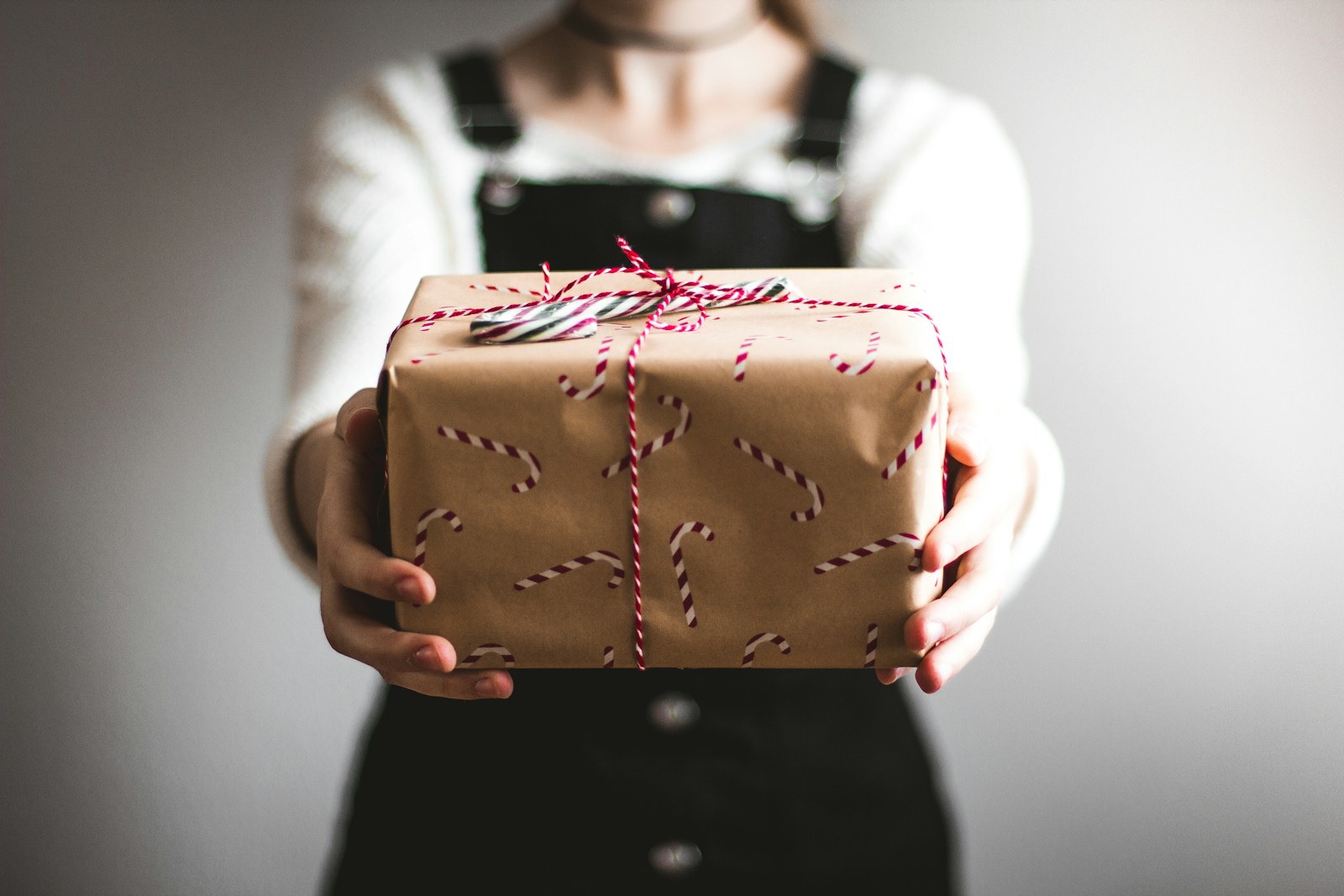
“But, if done well, second-hand gifting doesn’t have to feel taboo. Putting in time and effort into the presentation of the gift demonstrates intention and thoughtfulness, which might offset any preconceptions the recipient might have about effort and value in association with a second-hand gift.”
What’s even more interesting is that Brits are being sneaky about it. The survey also reveals that nearly 70% would conceal if a present was second-hand.
| Second-hand gifting Habits | True | False |
| I would tell someone if a gift was second-hand | 68% | 32% |
| I would only give a second-hand gift to certain people (close family & friends) | 67% | 33% |
| I only buy second-hand gifts in new or excellent condition | 59% | 41% |
| I would feel embarrassed to give someone a second-hand gift | 61% | 39% |
Despite the majority of second-hand gifters feeling sheepish enough to not reveal the preloved status of the presents they give, a similar proportion (67%) are happy to gift second-hand gifts to anyone, not just close family or friends.
Yahya Logde, Marketing Manager, PACK & SEND, comments:
“Our survey findings show that although second-hand shopping is growing in popularity, people are particularly sentimental around gifting at Christmas.
“If you’re planning to buy pre-loved gifts this Christmas, it can take just as much time and effort to source them, and you may be able to afford to buy something that is a bit pricier than budgeted for if bought first-hand.
“Regardless, whether you buy new or second-hand, what can really make the difference is how it’s been packaged and presented. With many friends and family celebrating apart, ensuring your gift is well-packaged and in good condition is key.”