
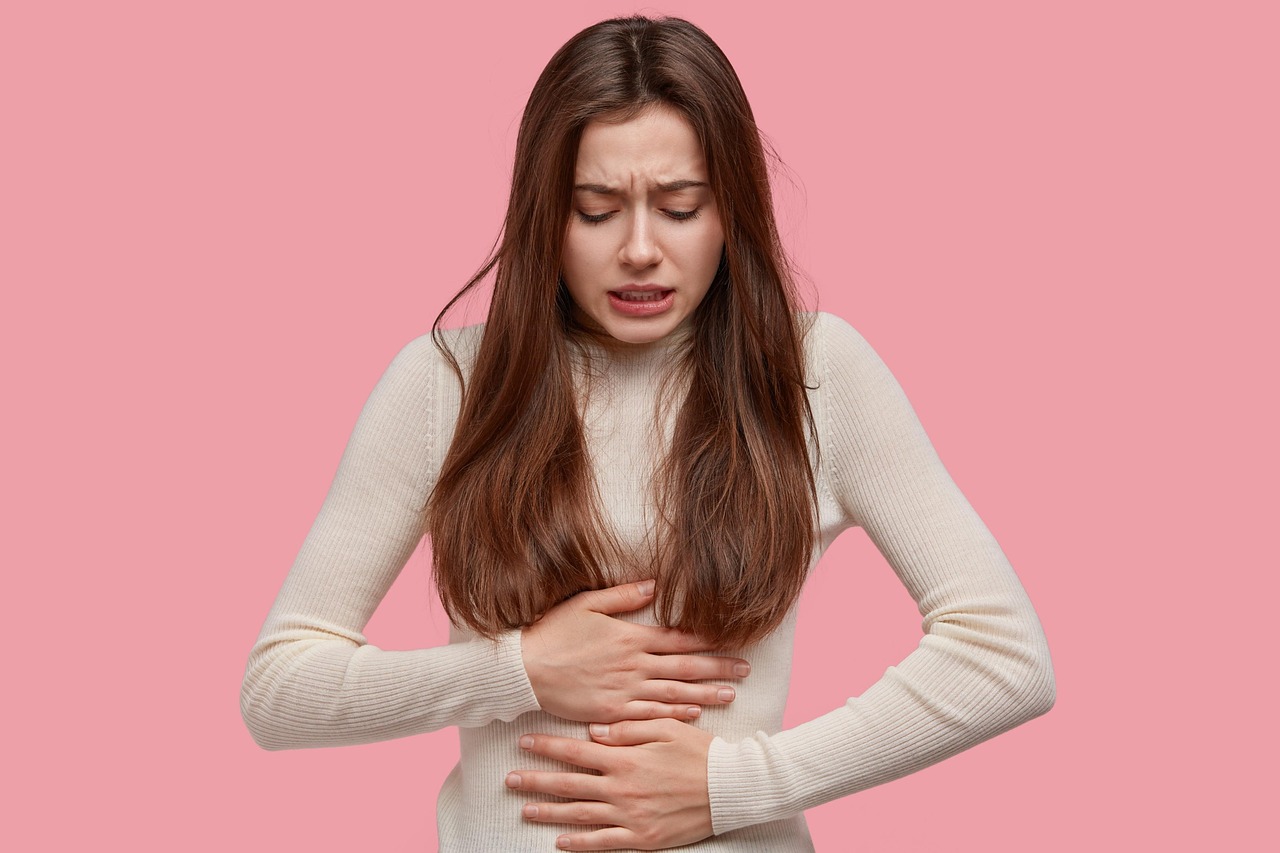
Periods are often brushed off as a routine inconvenience, but leading gynecologists at Manchester Deansgate Clinic are urging women of all ages to take them more seriously and pay closer attention to the warning signs.
Heavy bleeding, pelvic pain, irregular cycles, or bleeding between periods aren’t just minor nuisances, they can be important warning signs of underlying health problems.
Three specialists in gynecology, fertility, and menopause care are urging women to pay attention to any changes in their menstrual health and speak up. They emphasise that while menstrual patterns can naturally evolve over time, changes should never be ignored—especially if they interfere with daily life, impact fertility, or signal a more serious underlying condition.
When pain and heavy periods start too early
For many girls, menstruation begins between the ages of 10 and 15. During the first few years, cycles are often irregular as the body’s hormonal system gradually matures.
Dr. Ciara McKay, a consultant gynecologist with a special interest in adolescent health and endometriosis, highlighted how confusing this can be. She said, “Young girls don’t always know what’s normal. “
“When periods are extremely heavy, painful, or cause significant mood changes that disrupt school or social life, that’s a warning sign. Too often, these problems are brushed off as growing pains, when in fact they may signal conditions like endometriosis or hormonal imbalance.”
Tracking periods early (whether on paper or with apps) can help parents and doctors spot concerning patterns. Frequent anaemia, persistent pelvic pain or cycles that remain irregular beyond the first couple of years warrant medical evaluation.
Why PCOS and Endometriosis Are on the Rise
Two of the most common conditions behind abnormal periods in women of reproductive age are polycystic ovary syndrome (PCOS) and endometriosis—both of which are being diagnosed more frequently in recent years.
Dr. Prabha Sivaraman explained why early diagnosis matters: “We’re seeing PCOS and endometriosis in younger women than ever before. The longer these conditions go undiagnosed, the greater the risk of developing anemia, chronic pain, or fertility problems later on. Normalising symptoms without proper investigation only delays care. Encouragingly, new tools such as advanced ultrasound, MRI, and even non-invasive saliva tests are improving early detection. But the first and most important step is awareness—recognising that pain so severe it keeps you from leaving the house is not ‘just part of being a woman.’”
Fertility clues hidden in periods
“For women in their 20s and 30s, menstrual patterns can provide vital insights into fertility. Dr. Bidisha Ghosh, a fertility specialist at the Deansgate Clinic, explained: ‘One of the first things we ask about is menstrual history—details such as cycle length, spotting, and heaviness.’”
“Subtle changes, like bleeding a few days earlier each month or spotting before a period, may suggest hormonal deficiencies that can increase the risk of miscarriage or subfertility,” she added.
“Key red flags for women trying to conceive include cycles longer than 35 days or absent periods (often linked to PCOS), spotting between periods (which may suggest a luteal phase deficiency), and very heavy or painful periods (sometimes caused by endometriosis or fibroids).”
In some cases, simple hormonal treatment can regulate ovulation and improve the chances of conception. For others, early referral for fertility preservation or IVF may be recommended.
Period problems beyond the reproductive age
Menstrual irregularities remain significant in a woman’s 40s and 50s. While heavy or erratic bleeding is common in the lead-up to menopause, it should not simply be dismissed as ‘just another menopause symptom.’
Dr. Prabha Sivaraman added, “One in two women over 40 experience heavy periods. Many assume that fatigue, palpitations, or breathlessness are just part of menopause, when in fact they can be caused by undiagnosed anemia from years of blood loss. Red flags at this stage include cycles that suddenly change pattern—becoming shorter or longer than usual—bleeding after sex, which may indicate cervical or uterine problems, and bleeding between periods or after menopause, which always requires prompt medical evaluation. Regular cervical smear tests remain essential. While vaccination against HPV is reducing rates of cervical cancer, missed screenings continue to be one of the biggest risk factors for late diagnosis.”
Why women shouldn’t ignore the signs
The consultants agreed on one message, which is that self-care and early action can help to prevent long-term problems.
Dr. Prabha Sivaraman explained, “Pelvic pain is not normal if it disrupts daily life. While some discomfort can occur during menstrual cycles, it shouldn’t prevent you from enjoying your normal routine or hobbies.”
“Noticing your menstrual cycle and understanding what is ‘normal’ for you is also key, as irregular periods or sudden changes may reveal underlying hormonal disorders. Other symptoms, such as unexplained bleeding or extreme tiredness, could indicate anemia, fibroids, or even cancer. While we don’t want anyone to assume the worst, we do want women to speak up when their health is being affected,” she added.
Dr. Ghosh added, “Women often put their own health last, prioritizing children, partners, or work. But paying attention to period patterns and seeking help early makes a huge difference, and many conditions can be managed effectively if caught in time.”
The Manchester Deansgate Clinic urges women to:
- Track their cycles
Use a calendar or app to record cycle length, flow, pain, and any unusual bleeding. - Report changes early
Don’t wait until symptoms become severe or debilitating. - Stay up to date with smears and check-ups
Regular cervical screenings are essential, as early detection saves lives.
4. Seek help for heavy periods or pelvic pain
These are treatable conditions—not something you should “just live with.”